
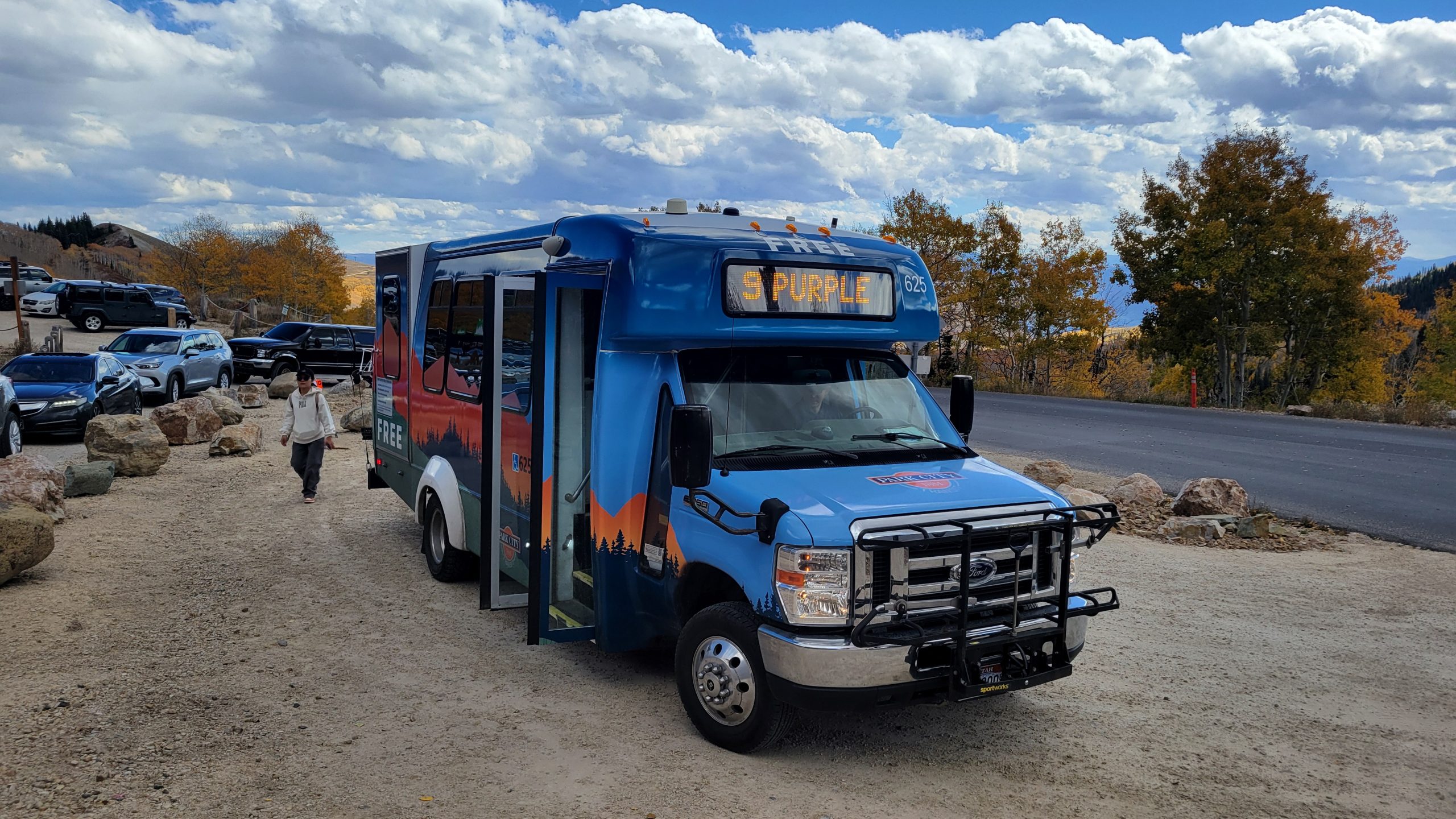
A week ago, I discovered that—on Fridays, Saturdays, and Sundays—Park City Transit extends its Route 9 Purple from downtown Park City over Empire Pass to serve Bonanza Flat Trailhead and Bloods Lake Trailhead. Since I had been hungry to get in some hiking and leaf peeping before the Utah weather turns from summer to winter, I made plans to satiate my craving and also experience an excellent case study in “Transit to Trailheads.” The experience also gave me a lot of thoughts about what Utah needs more of.
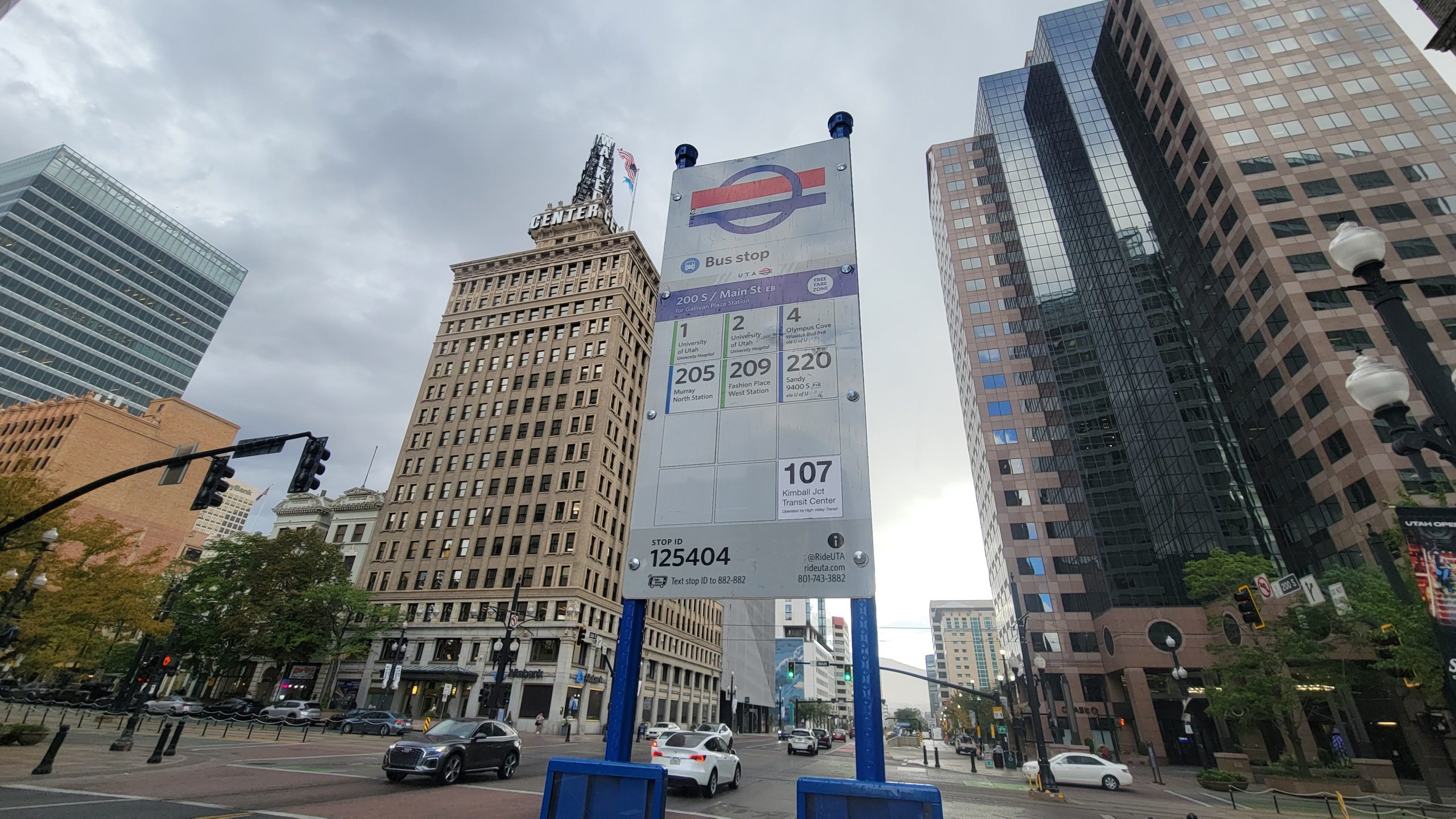
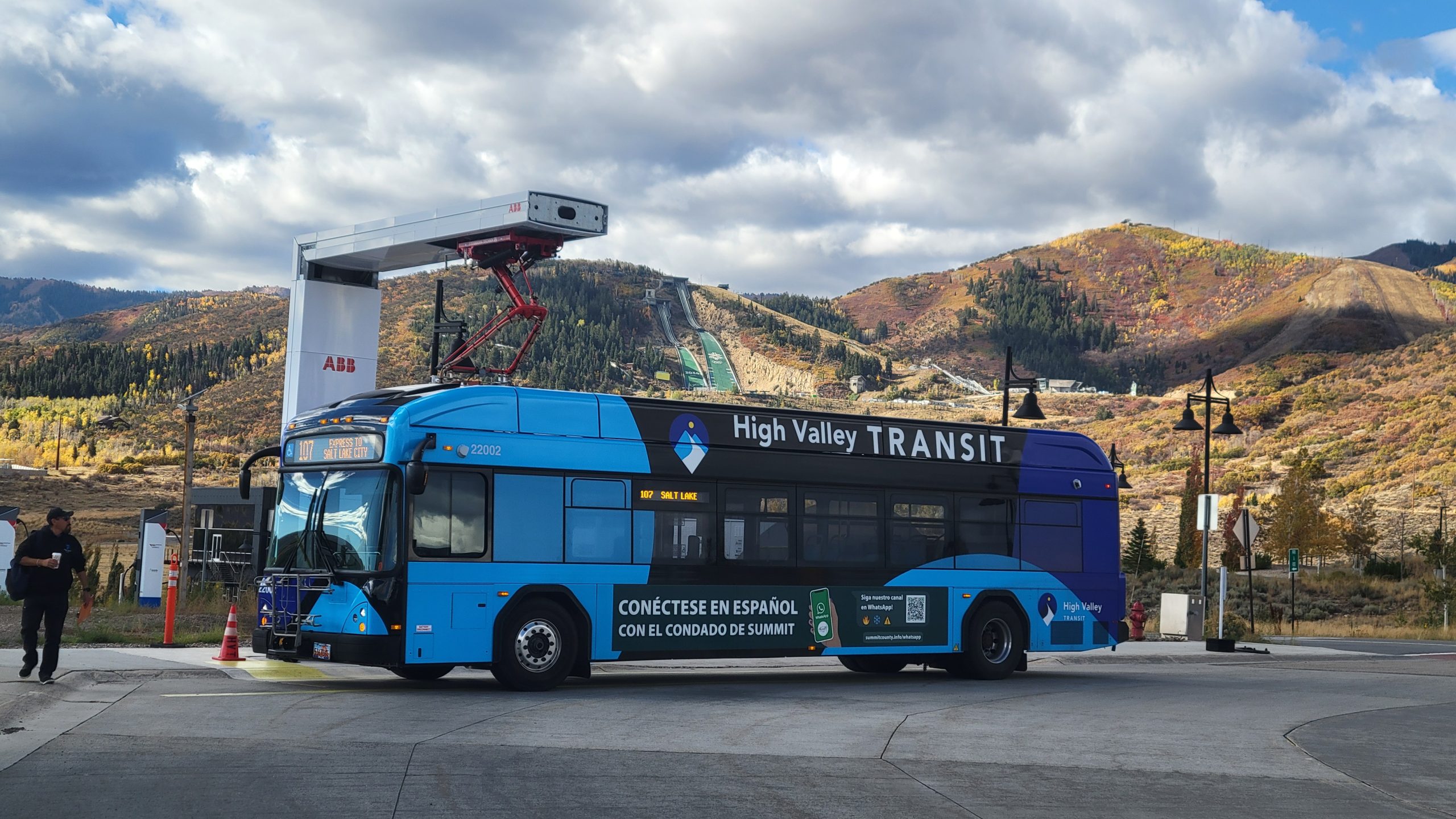
Friday, October 3, at 9 am, I packed a lunch, put it in my backpack along with water bottles and some drinks, and set out from my office in downtown Salt Lake City. The first leg of the trip was High Valley Transit Route 107, which I boarded on the corner of 200 South and Main Street. Route 107 runs every 90 minutes and takes about an hour to reach Kimball Junction Transit Center. From there, I boarded High Valley Transit Route 10X, which runs every 20 minutes and takes 18 minutes to reach Old Town Transit Center in downtown Park City.
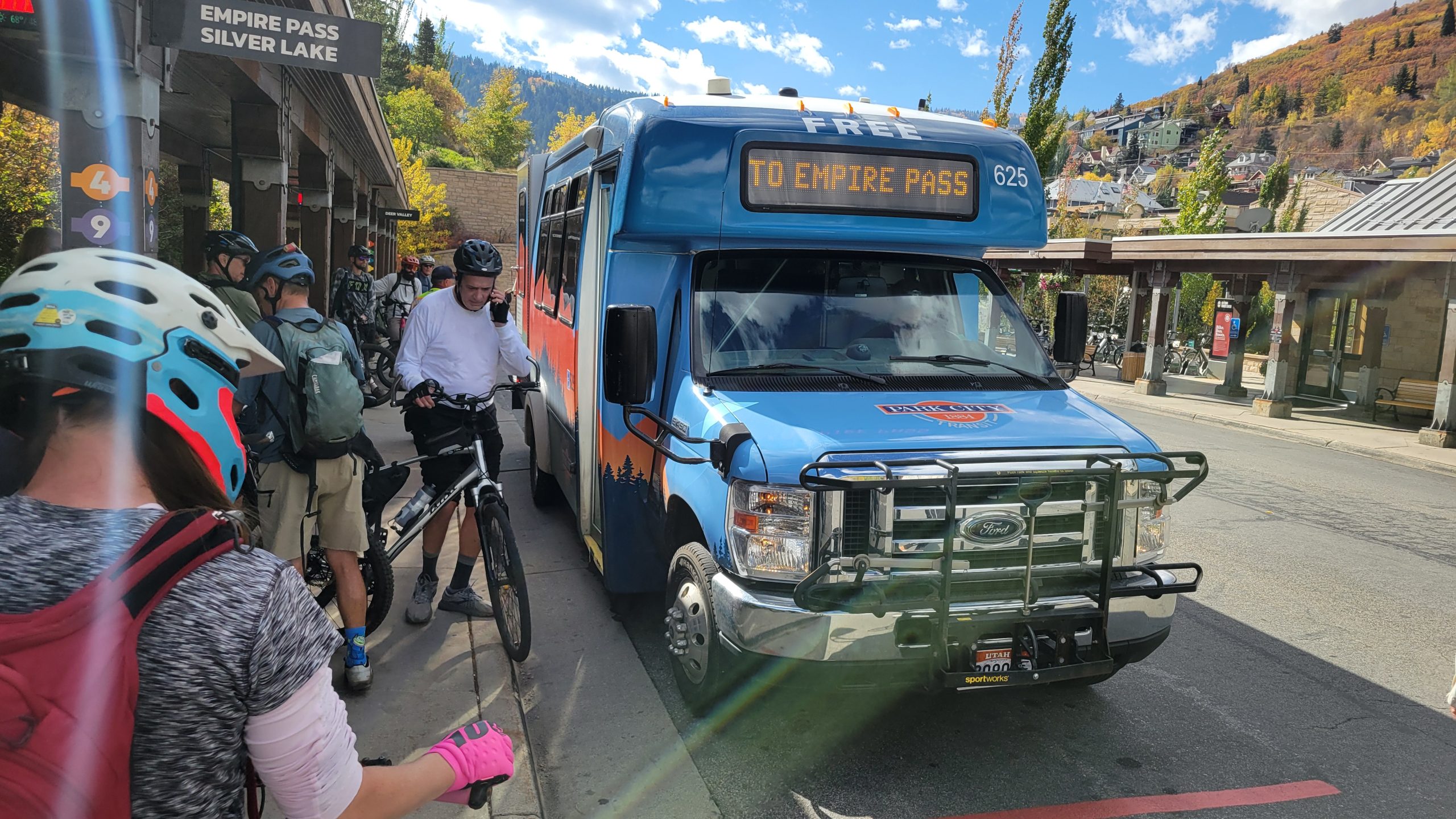
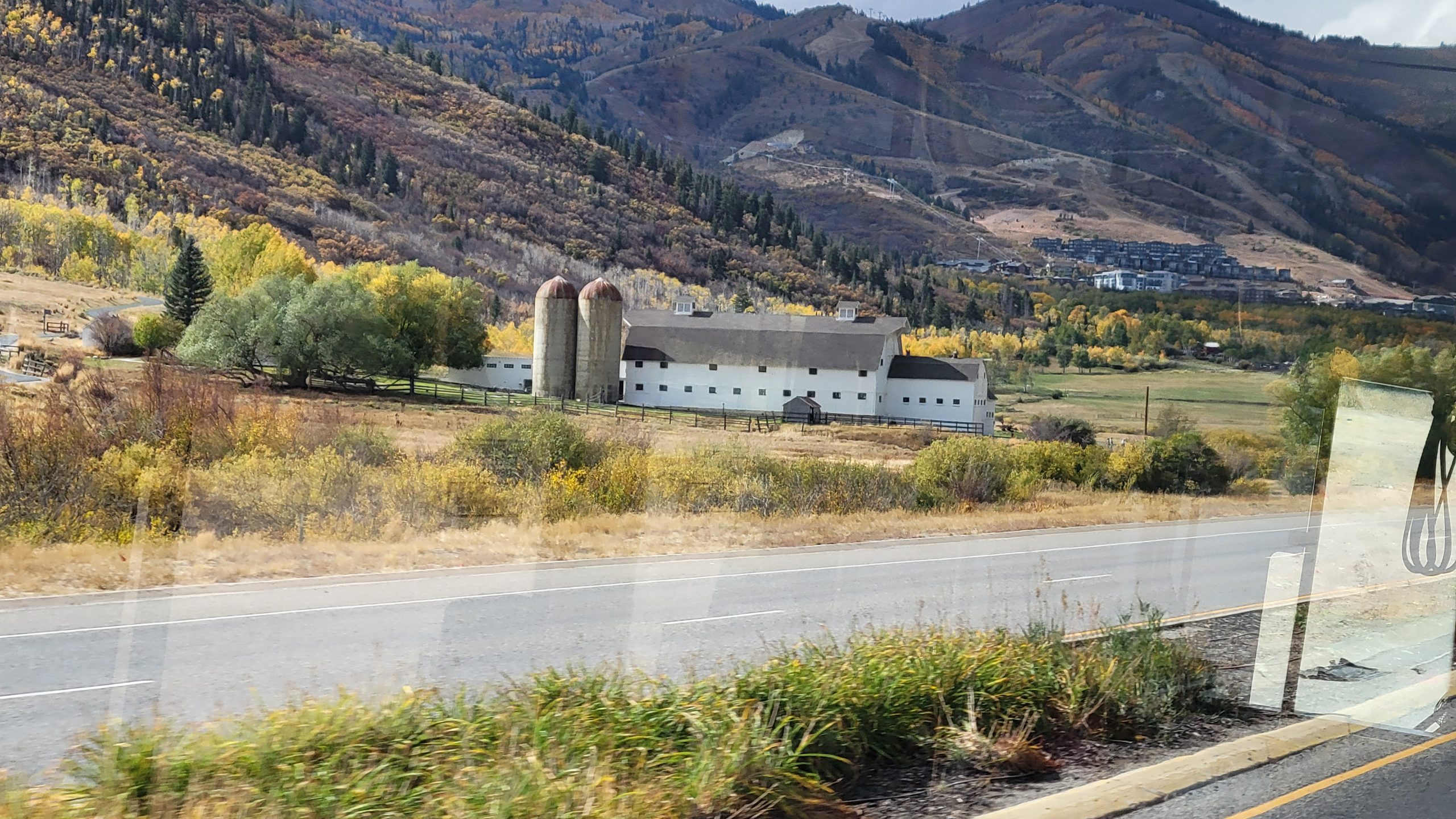
Upon arriving in Park City, I was interested to see who my fellow riders would be on the ride to the trailheads. A couple minutes before departure, the Route 9 Purple pulled up to a curb of waiting riders. I was one of three hikers on this particular trip accompanied by more than a dozen mountain bikers. The driver helped load bikes on the front rack, rear rack, and also deployed the wheelchair ramp to squeeze the remaining bikes onboard. Fortunately, there are handrails mounted to the shuttle’s ceiling for standees to hold onto. We pulled out of the Old Town Transit Center right on time at 11 am. Park City Transit runs this shuttle every 20 minutes, and it takes about 20 minutes to reach the end of the line at Bloods Lake Trailhead.
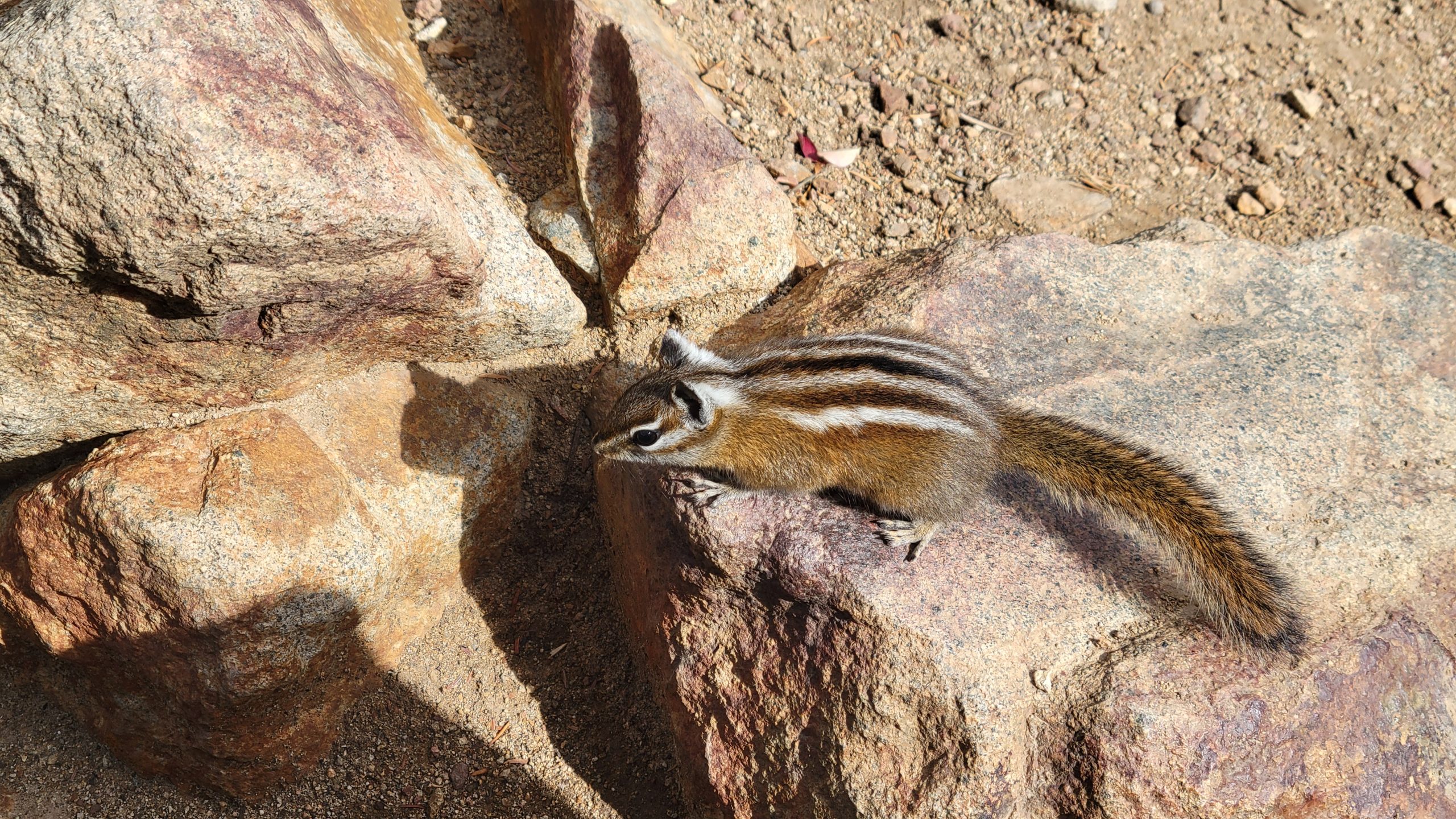
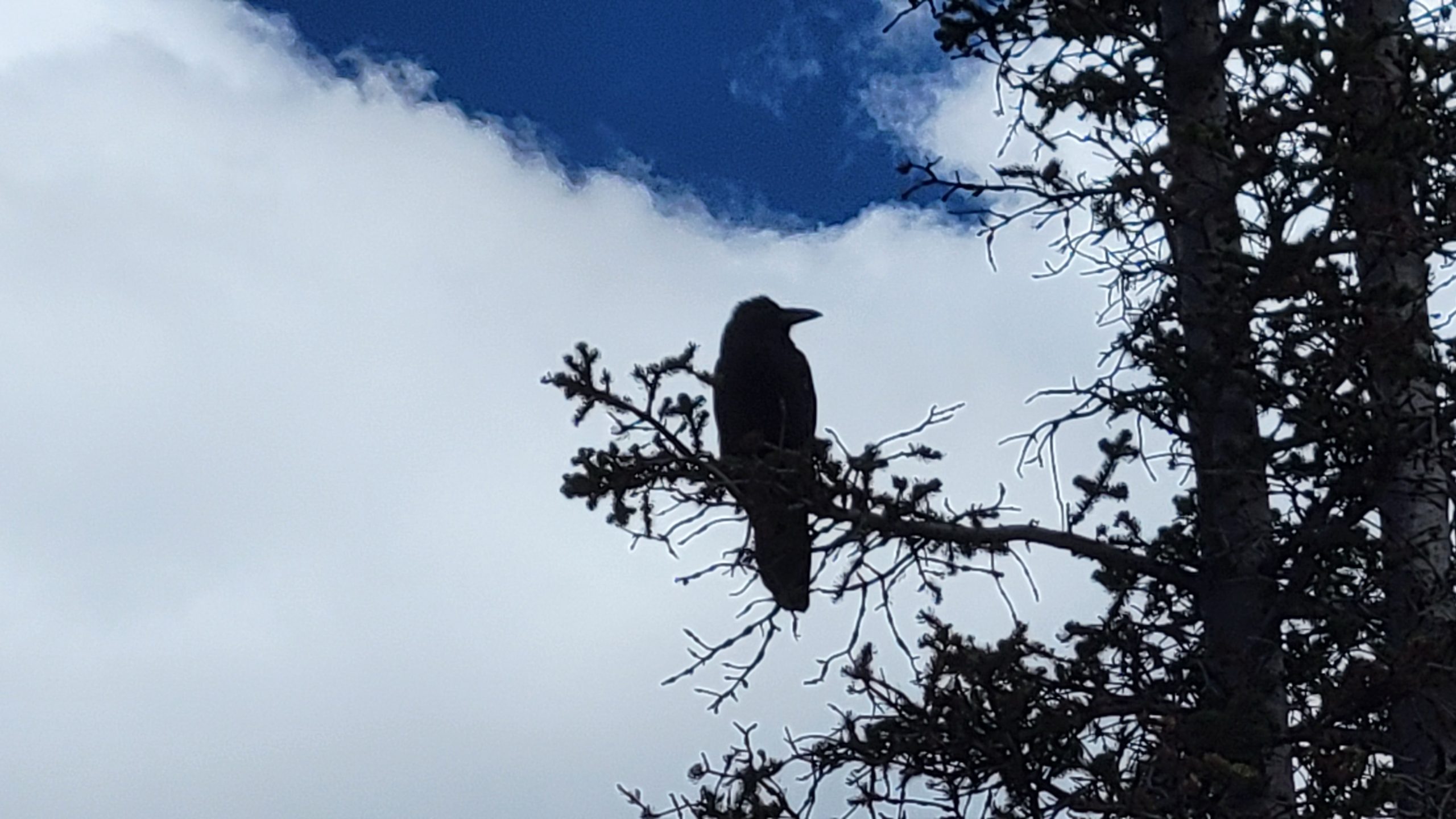
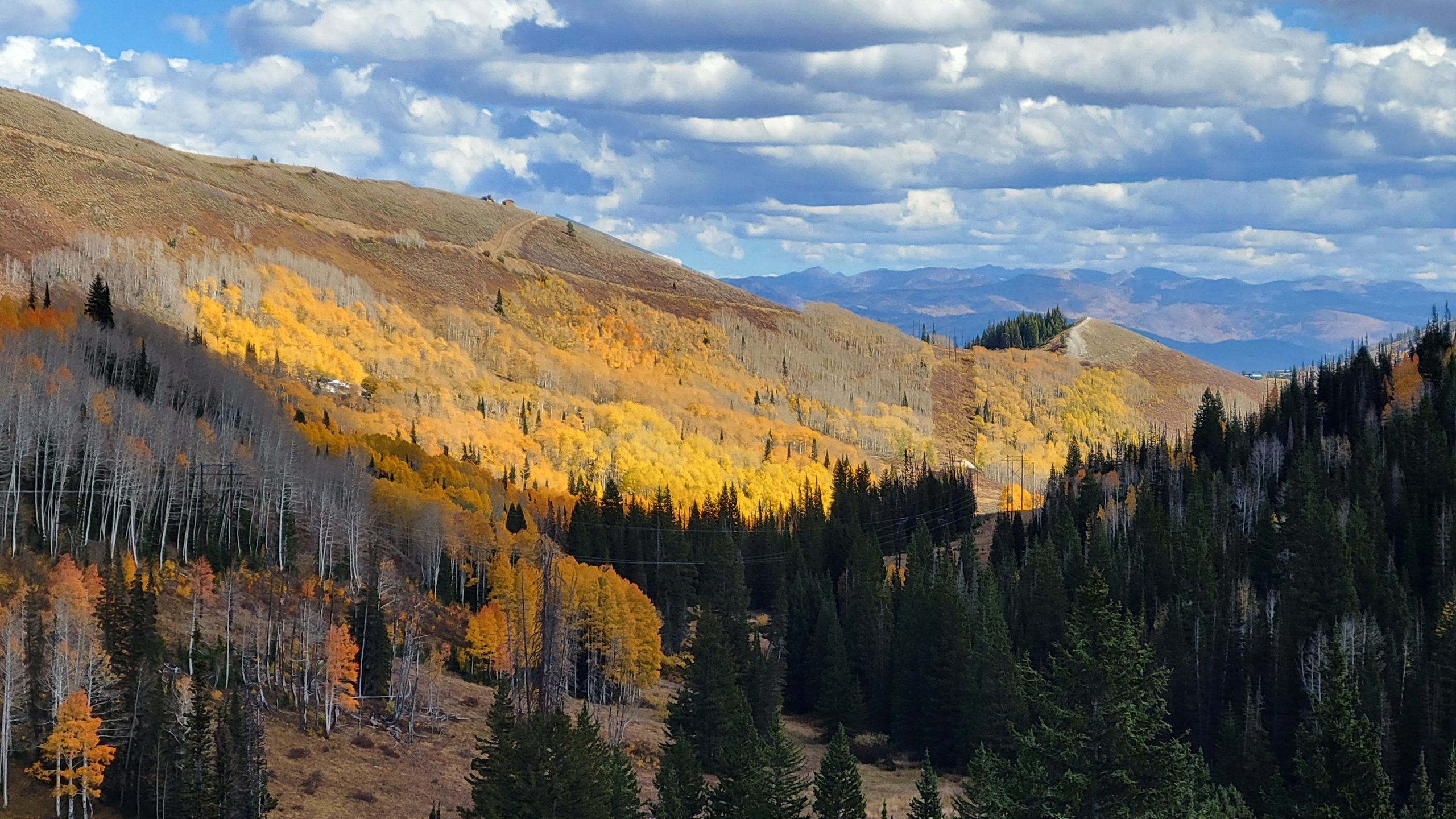
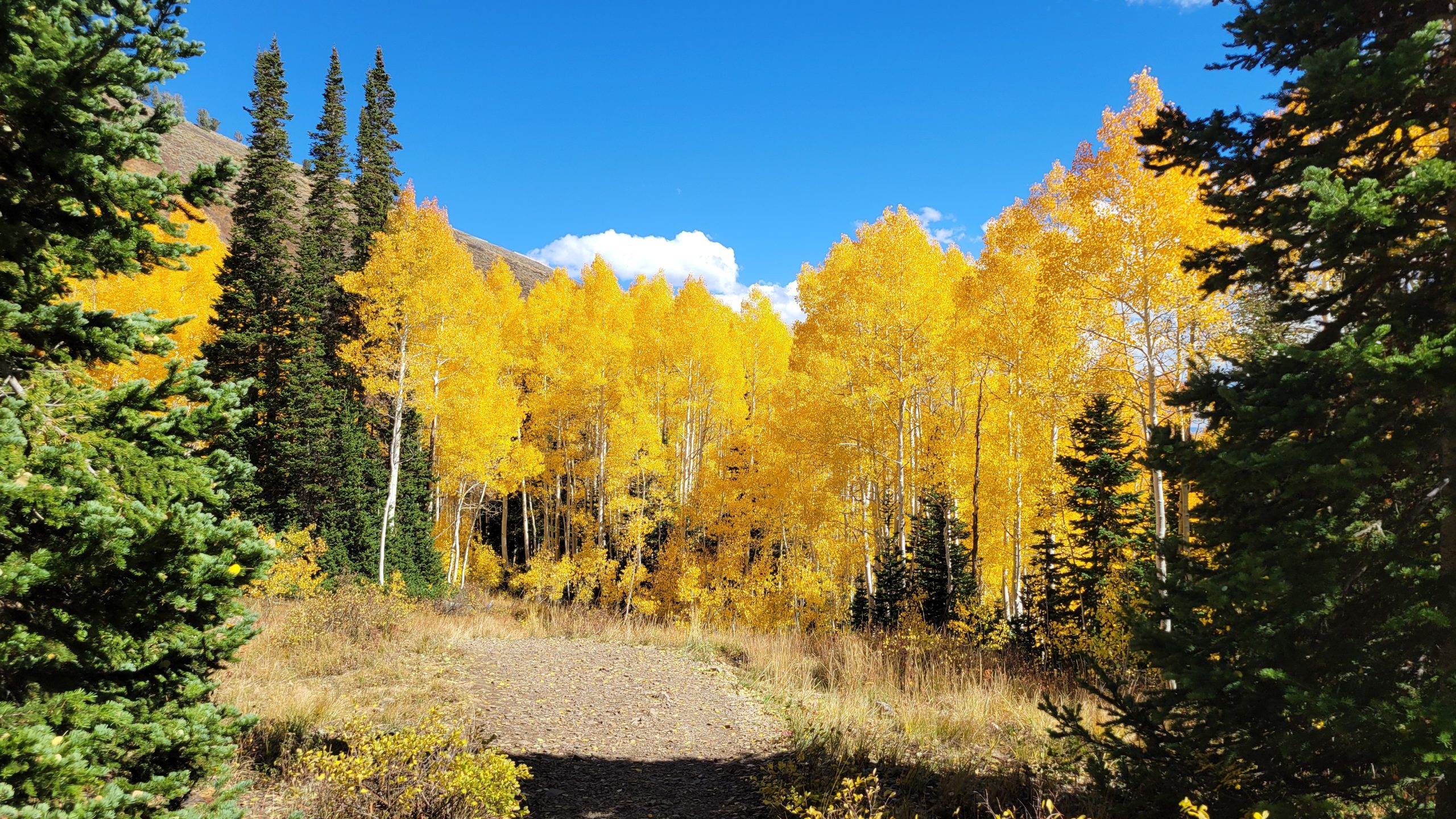
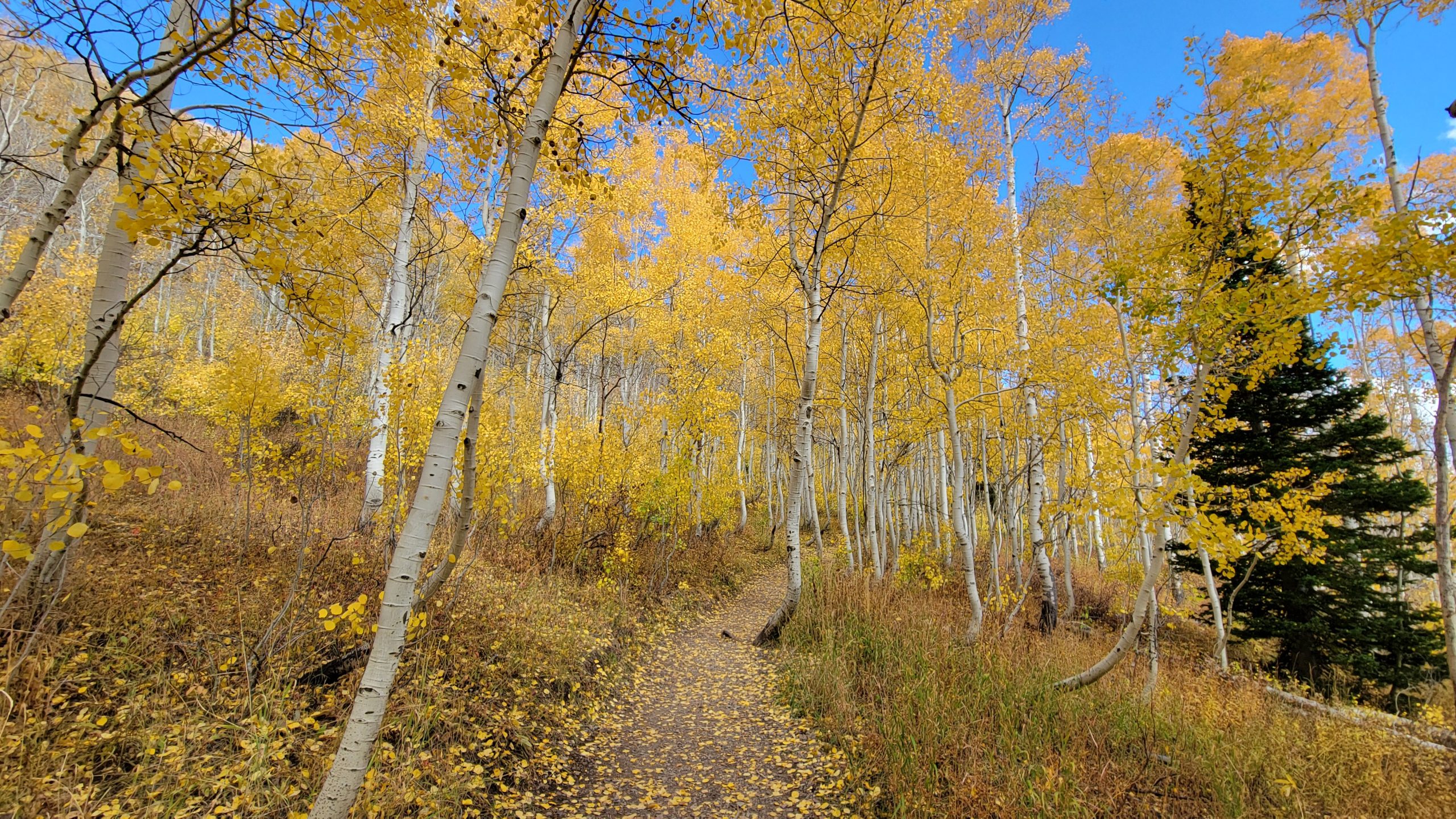
After a brief visit to the vault toilet at the trailhead, I headed out on foot to Bloods Lake and was immediately immersed in a sea of bright yellow and brilliant orange quaking aspen leaves interspersed among the deep green of the evergreen trees. About 40 minutes later after a beautiful 1.5-mile hike, I arrived at Bloods Lake. Along the shore of the lake, I sat on a rock and enjoyed my lunch, while being entertained by chipmunks and a raven perched in a nearby tree.
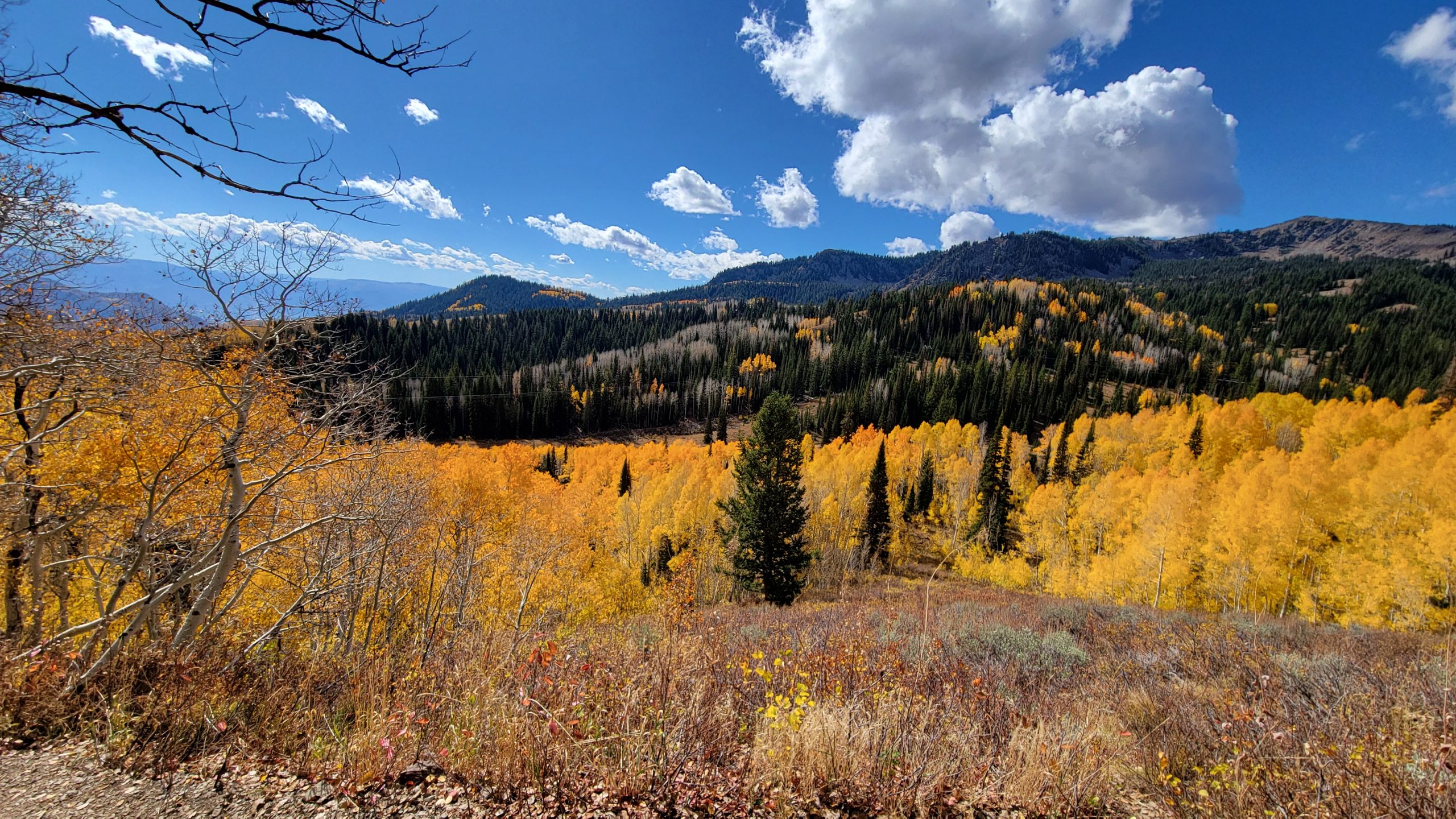
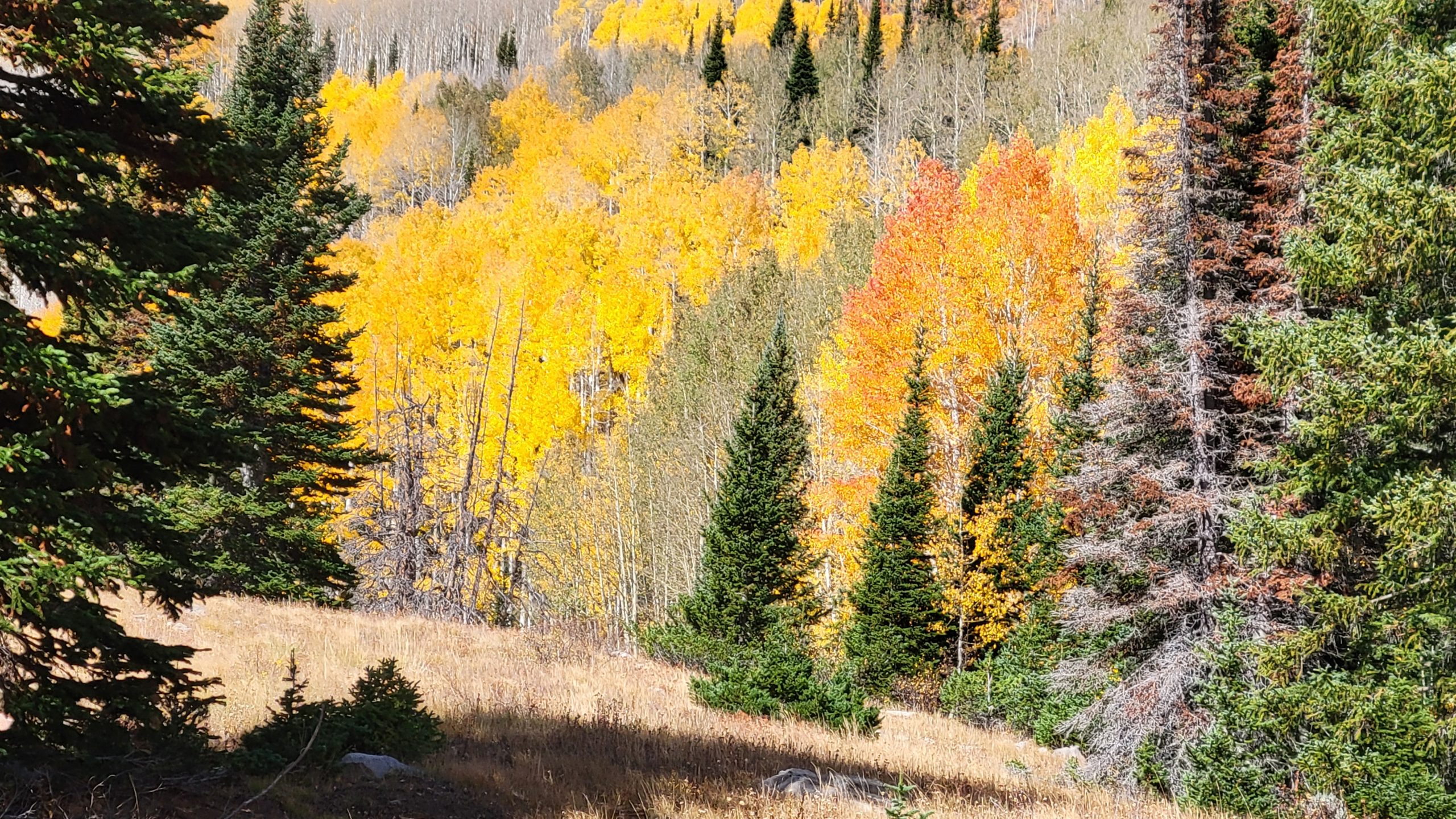
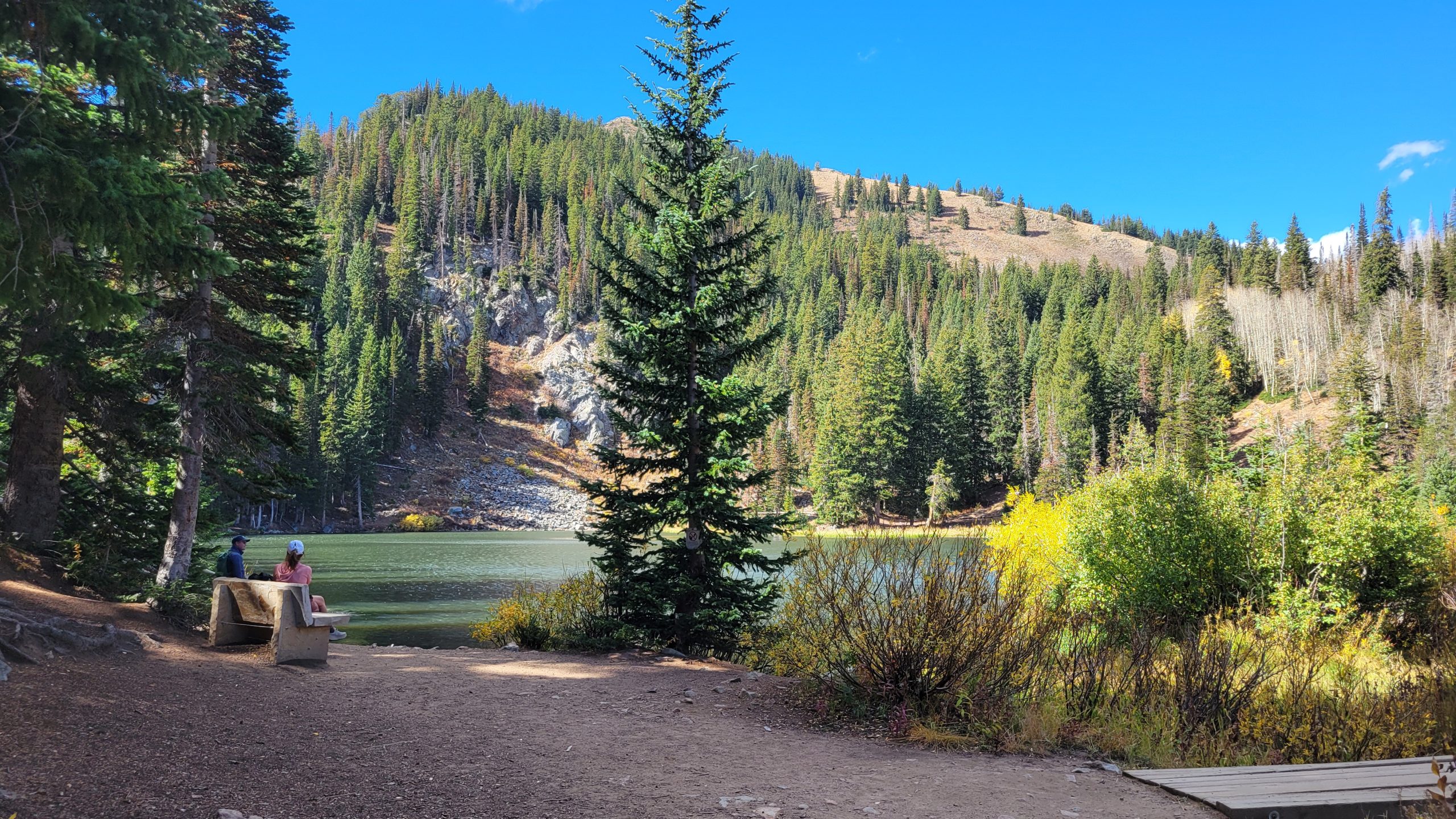
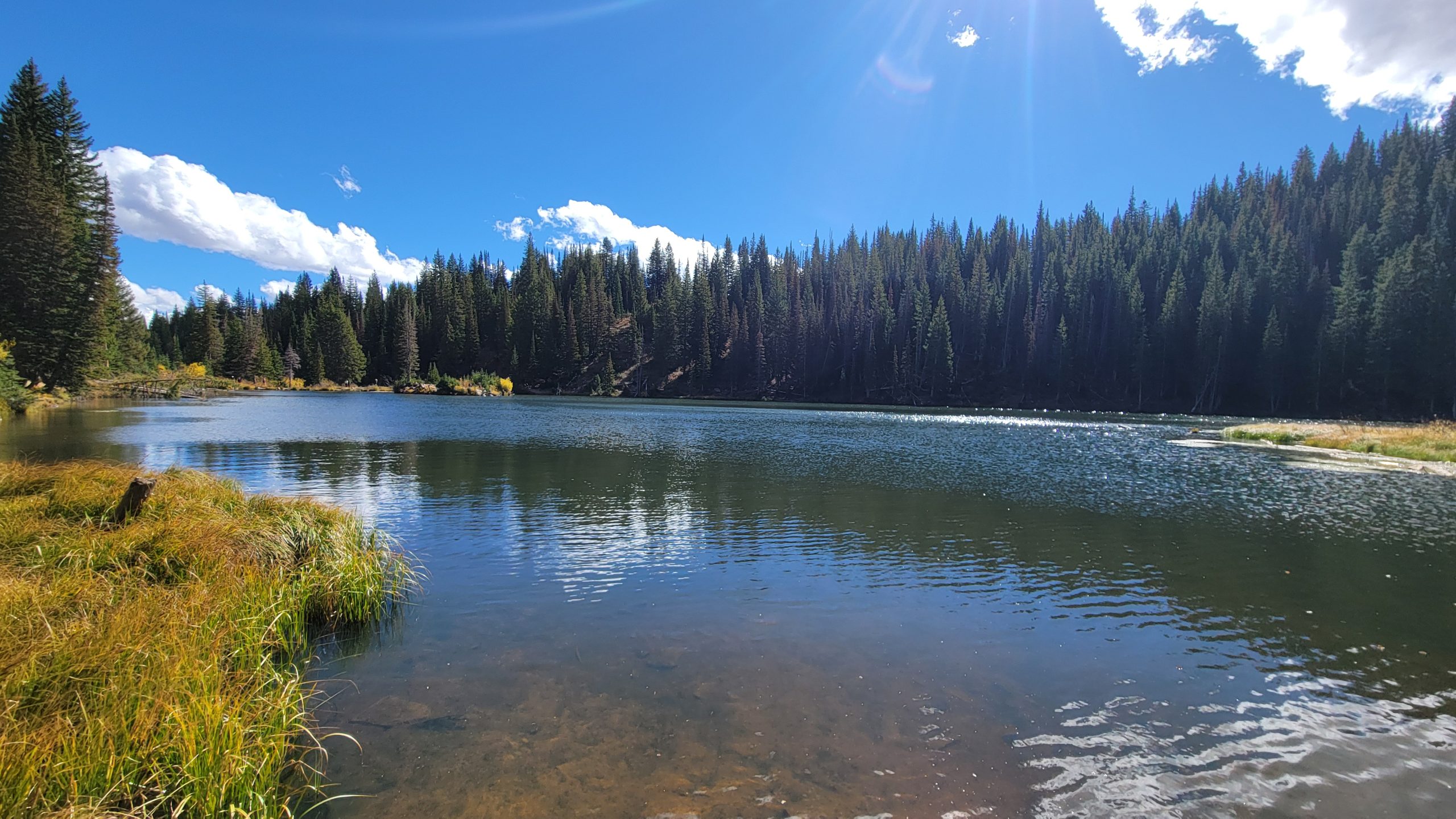
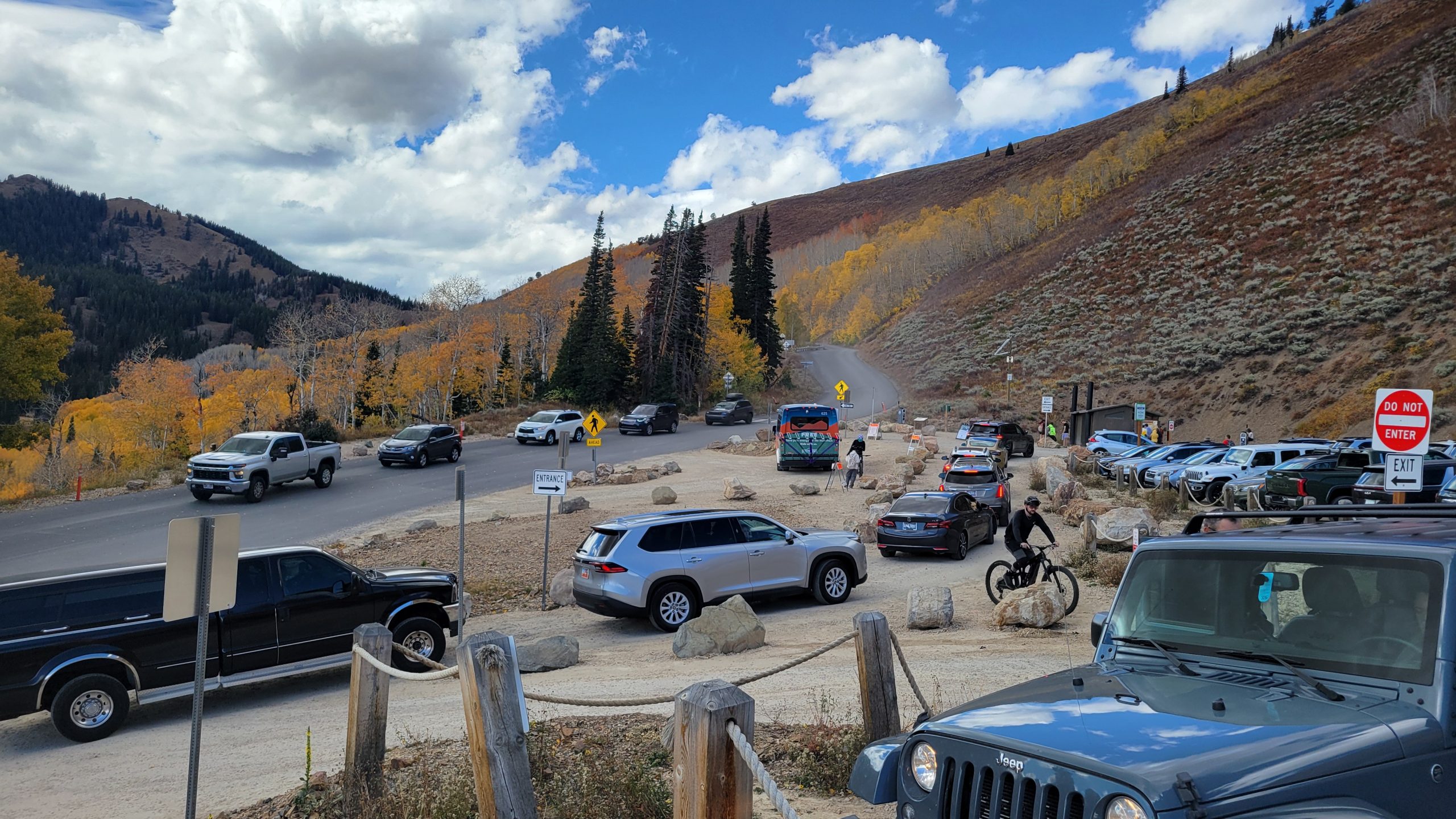
Since I ditched my car over eight years ago, I wouldn’t have had an easy way to reach the trailhead. But if I had driven, I would have been faced with a long line of cars waiting for parking. Prior to departing Bloods Lake Trailhead, I counted a dozen cars waiting for parking spots. I would have also paid $5/hour on weekdays and $8/hour on weekends. On the other hand, both High Valley Transit and Park City Transit are fare free.
Given Utah’s growing population and growing demand for recreation coupled with the spatial inefficiencies of driving and parking, it would behoove Utah’s leadership to make further investments in transit that serves trailheads. Park City Transit’s Route 9 Purple is an excellent case study. Here are some of the best practices that make it great:
- High frequencies and wide spans of service: The more often a service operates and the more hours it operates, the more flexible and easier it is to use and the more riders the service will attract. The number one improvement that would make Route 9 better would be to have it serve the trailheads seven days a week rather than just Fridays, Saturdays, and Sundays.
- Amenities: Restrooms, drinking fountains and water bottle filling stations, shelter (indoor and outdoor), seating, trash cans, and bike racks are amenities that are essential for making a service usable. Both High Valley Transit and Park City Transit have excellent amenities at both Kimball Junction Transit Center and Old Town Transit Center and should serve as examples for other transit agencies in Utah to emulate.
- Connectivity with other transit services: The aforementioned transit centers are also great examples of how transit services are more useful when they facilitate easy transfers between services. Kimball Junction Transit Center is home to a half dozen routes, while Old Town Transit Center is home to a dozen. Future transit serving trailheads will be much more useful if it directly connects to other transit services.
- Integrated technology: GTFS (General Transit Feed Specification) and vehicle tracking are two aspects of technology that make using transit easier to plan and ride. Future transit serving trailheads should use these technologies in order to integrate with apps like Google Maps and Transit App.
For those questioning whether public investments in transit serving recreation should be made when transit in general struggles to be adequately funded, I would argue that the fastest growing state in the world’s wealthiest nation should be viewing investments in the most financially efficient way of moving people through a lens of abundance rather than scarcity. One side benefit of attracting new riders to transit is that it builds more support for further funding transit investments. Having transit serve trailheads also solves logistical headaches like not having to backtrack or deadhead when hiking and mountain biking. For example, if there were also transit serving trailheads in Big Cottonwood Canyon, it would be possible to hike from Bloods Lake Trailhead, past Bloods Lake, up to Clayton Peak, and down to Brighton without having to backtrack or deadhead back to where you parked your car.
While putting this article together, I also discovered that Parker Malatesta with KPCW and Jordan Miller with the Salt Lake Tribune both did great articles on Park City Transit’s Route 9 Purple this week. And for anyone wanting to see all 72 photos that I took on my leaf peeping and transit expedition, feel free to view this Bluesky thread.















0 Comments