
Some Salt Lakers are looking to multiply their starter homes.
Professional developers are looking to add additional stories that would otherwise exceed height limits for projects in multifamily zones.
Duplexes are being split into fourplexes. Single-family homes are being preserved and townhomes are being tucked behind them.
In just over a year since the Salt Lake City Council voted to allow up to four units in single-family zones, plus other density bonuses in multifamily zones, in exchange for affordable housing and preservation requirements, we’re getting an early peek at the policy in action.
So far, less than a dozen projects big and small have sought permission from the city to add units that otherwise wouldn’t be allowed if not for the affordable housing incentives passed in December 2023, along with its building preservation incentives.
Others haven’t made it into the permitting queue, blocked by fire code or other zoning requirements that can’t be overcome. None has been built yet, though dozens of new units are likely on the way.
It’s a tough time to judge the effectiveness of the new policy, given the difficulty of obtaining financing and making new projects pencil amid high labor costs, high land and housing prices and high interest rates.
Still, projects are trickling in.
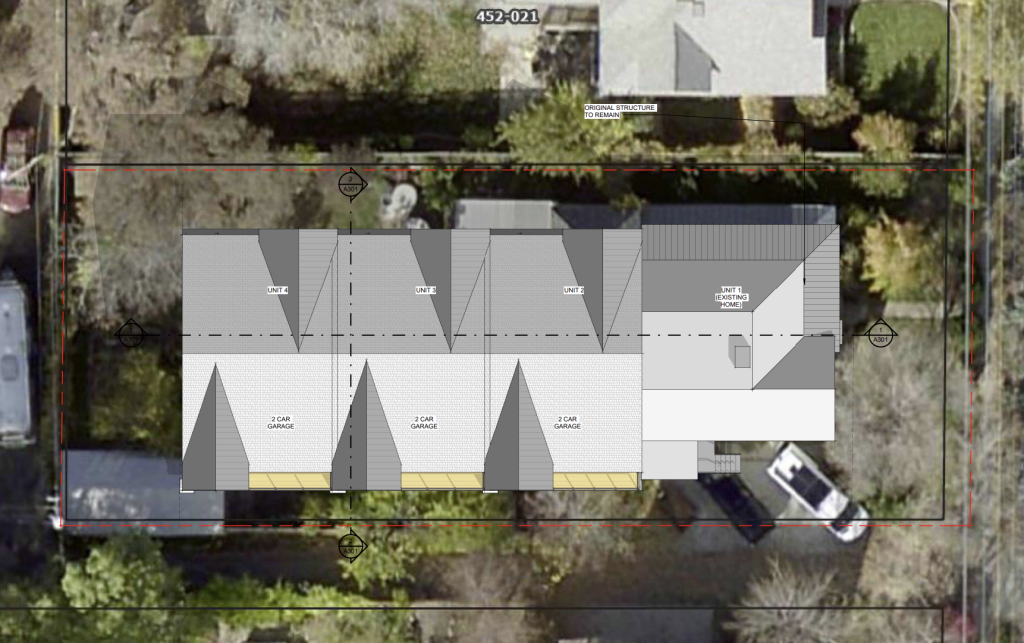
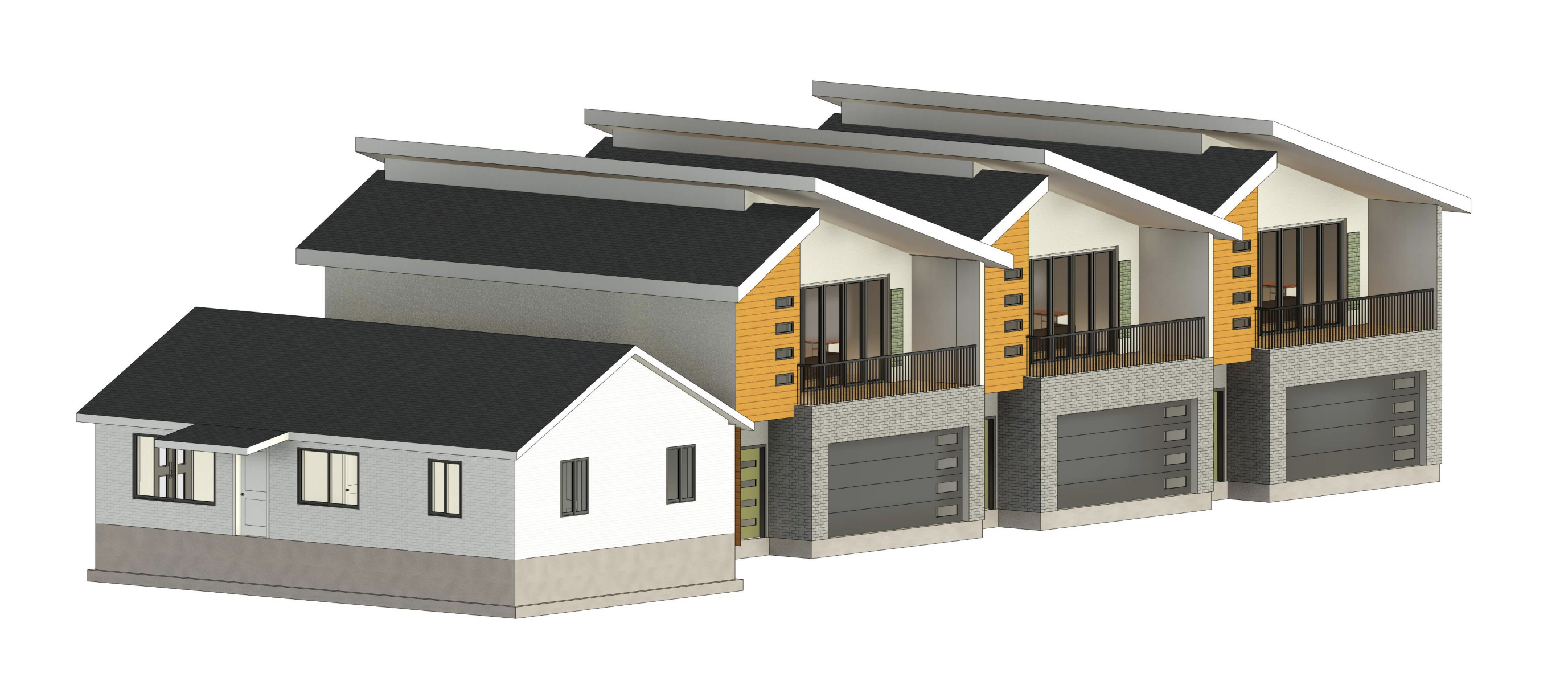
One homeowner said he was preserving his first home near the city’s 9th & 9th neighborhood and planning to build three new townhomes behind it, all of them for-sale. The original home would meet the city’s affordable housing requirement under the new incentives. The three new homes would be market rate.
Minnesota-based Roers is planning a 100 percent affordable housing project at 947 W. South Temple, with rents affordable to those making no more than 60 percent AMI, or $48,540 for a single person or $55,440 for a couple. That would cap rent at $1,299 for a one-bedroom apartment, according to city guidelines.
The company is proposing to build an additional, 12-foot story on the project and reduce required parking under the incentives. The city has already granted the project preliminary approval, and Roers said the project could be the next on its list for developments in Salt Lake City.
That project is in line with what onlookers expected when the city was debating the affordable housing incentives: most of the new units would likely come from developers who were already working on low-income housing in multifamily zones and add additional floors to their projects under the incentives.
But the early range of projects shows the city has attracted interest from a variety of parties.
The nonprofit Other Side Academy is planning to build new adult housing as part of its expansion in the Central City neighborhood, relying in part on affordable housing incentives to get it done.
Another project would involve dividing an existing duplex in Rose Park, which was sold to Draper-based investors in October, into a fourplex. The two units with four bedrooms each would become four units with two bedrooms each, according to the proposal, which received preliminary approval last month.
Under the rules, one unit would be required to be rented for no more than $2,080, which is considered affordable for a couple making no more than $73,920 per year. The rest could be market-rate.
Another investor bought a home at 731 W. 1300 S. last summer with plans to preserve the existing single-family home and add three new for-sale units on the site. Under the incentives, one of those new units would be required to be sold at a price that’s considered affordable to a buyer making the area median income, which is $80,900 for a single buyer and $92,400 for a couple. That project has received preliminary approval.
At 824 W. Hoyt, an investor is looking to build two duplexes on a vacant lot using the affordable housing incentives.
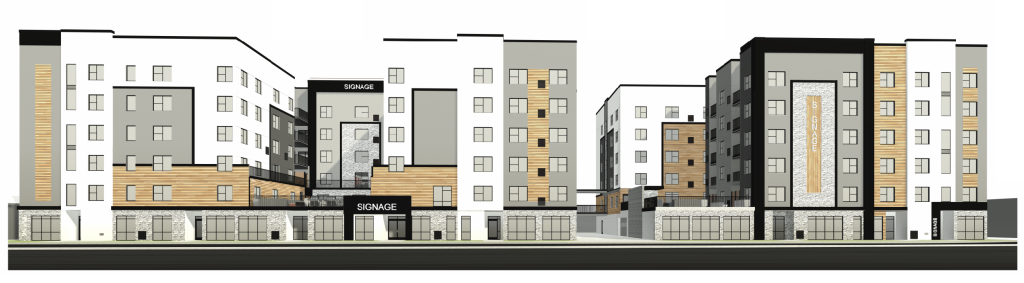
An owner in Liberty Wells is looking to replace an existing single-family home with four new rental units at 660 E. Roosevelt under the affordable housing incentives. The owner is looking to deed restrict only two of the four new units at 80 percent AMI, though all of the units would be rented at the same rate to start, according to the plans.
Under a separate policy aimed at preserving existing buildings, developers are hoping to build a 10-story apartment building in Poplar Grove, at 730 W. 900 S.
The site of the former Koko Kitchen, which closed after burning in 2019, is making way for a new restaurant. The new owners are hoping to add five apartments to the site, relying on the building preservation incentives.
It’s hard to say how many would-be projects have been blocked by things like fire access codes.
Modern fire code requires wide access roads for equipment to reach within at least 150 feet of all exterior walls on new builds, a potential issue on long and narrow lots.
That created an unclearable hurdle for at least one proposal by a homeowner in Sugar House who wanted to buy his neighbor’s property and add courtyard housing units behind his and the neighboring home under the affordable housing incentives.













0 Comments