

Utah lawmakers have tinkered with a number of housing policies and programs in recent years, aimed at making the state’s housing more affordable. Despite those efforts, it seems lawmakers on Capitol Hill and their constituents are growing tired with new bills aimed at addressing growth and development.
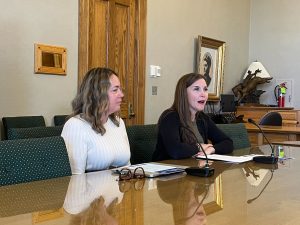
That sentiment was one of the takeaways from a panel Monday hosted by the Urban Land Institute’s Utah chapter, as the panel discussed recent changes made to housing policy and land use during the 2026 Utah Legislative session.
Karson Eilers, policy director of the Utah League of Cities and Towns (ULCT), said lawmakers again had an eye toward growth and development, but the overall sentiment toward accommodating new growth has cooled.
“I think you saw more legislators, particularly in the (Utah) House, who are hearing a lot of frustrations about growth from constituents,” Eilers said. He added that 2026 is an election year, and growth could become a point of contention among candidates.
Chris Gamvroulas, president of Ivory Development, shared a similar takeaway, adding he found there was a growing fatigue for new housing bills. He said, “People — particularly policy makers — they’re just tired of hearing about it.”
Gamvroulas said a number of policies and programs enacted in years past were actually rolled back this year due to a lack of use as part of House Bill 507, which was proposed by Rep. Calvin Roberts. Gamvroulas pointed to programs like the Home Ownership Prosperity Zone (HOPZ) program and the First Home Investment Fund (FHIZ) program — both created in 2024 — that “went away after just two years because no one used them.”
The HOPZ program created a way for cities to create an opportunity zone that captured tax increment for up to 15 years to help finance its development, and in the process would rezone the land to have at least six housing units per acre. The program also required at least 60% of homes be affordable and have an owner-occupancy requirement for at least five years, according to the bill.
The FHIZ program was another TIF tool, as the program allowed for a city or county to use future tax growth to lower the cost of land or to pay for infrastructure for a FHIZ area, which would potentially lower the cost of housing. The program also carried a number of requirements, including one stipulation that required “at least 25% of homes within the First Home Investment Zone remain owner-occupied for at least 25 years from the date of original purchase,” the 2024 bill said.
Gamvroulas said the rolling back these types of programs is a reflection of the “housing fatigue” in the Utah Legislature, as he added that state lawmakers are tired of enacting programs that could chip away at their tax bases. He said an example of the fatigue was House Concurrent Resolution 6, a non-binding resolution about the state’s housing plan. The HCR passed the Utah House with a 41-26-8 vote, and Gamvroulas said the number of no votes was surprising.
“I’ve never seen 26 members of the House vote no on a non-binding resolution — I’ve never seen it,” he told the audience Monday. “Why would you vote no on a non-binding resolution supporting a non-binding state housing plan? It’s because you’re tired, it’s just because you’re tired, and they just don’t want to hear it.”
Eilers noted that there have been discussions on whether having these separate programs were eroding an area’s existing tax base. As a result, the legislature opted to wind down or consolidate many of the programs, done in the hopes of reducing the number of programs drawing away from an area’s tax base.
State lawmakers avoided sweeping zoning policy changes in 2026, killing bills like House Bill 184, which would have created a way for builders to petition for smaller minimum lot sizes for single family homes. If the bill would’ve passed, HB 184 would have allowed petitioners to submit housing plans to their city or municipality, and the entity would have a set timeline to approve or deny the petition. If they did neither, the bill would’ve allowed the plans to become a permitted use.
Instead, the legislature opted to allocate $100 million that cities can use to build needed infrastructure for single-family homes as part of House Bill 492. State lawmakers also passed Senate Bill 284 that would allow detached ADUs on lots larger than 11,000 square feet.
Panelists were asked about HB 184 that was presented by Rep. Ray Ward, who has consistently proposed bills aimed at creating smaller allowable home lots and expanding ADU accessibility statewide. An audience member asked if those sorts of bills were possible in the future, or the legislation would continue to see resistance.
Gamvroulas pointed to Eilers, saying the Utah League of Cities and Towns has consistently opposed Ward’s previous bills. Eilers said the League worked with Ward on his bill this year, but added the bill, “in our minds, still, by creating a preferred state land use, was a step over the line into our legislative authority.”
Though ULCT has largely opposed any statewide zoning changes, the group did support SB 284. Eilers said the League tries to make decisions based on the majority of its membership, and cities around Utah have been leading that discussion to begin with. He added that some member cities aren’t comfortable with the change, but the bill was written in a way to maintain local control on setbacks and where utilities are placed.
“We try to make sure that cities retain as much discretion as possible in implementing this, while still pushing them a little bit to allow them,” Eilers said.
In closing, Gamvroulas said developers aren’t a very sympathetic group on Capitol Hill, as he said many lawmakers see developers as a group reaping large profits while housing continues to become more expensive. However, he said, consistently pushing for policy changes can work. He pointed to detached ADUs in SB 284 as one of those successes, but Gamvroulas added that it’s important to be cognizant of how developers are perceived by the public, as many view developers negatively, instead of being the ones building homes that the state needs.
“They’re saying, ‘Is life really better? Are we really better off with all these with all this growth?’ I think, well yeah,” Gamvroulas said. “I mean, I’m happy that my kids have a place to live, and I hope that yours do too, but I think (we need to) be cognizant of that. And when you do talk to people that are policymakers, whether it’s local government or state, you’re also recognizing that we’re a big part of the solution, and we’re not the enemy.”

















0 Comments