
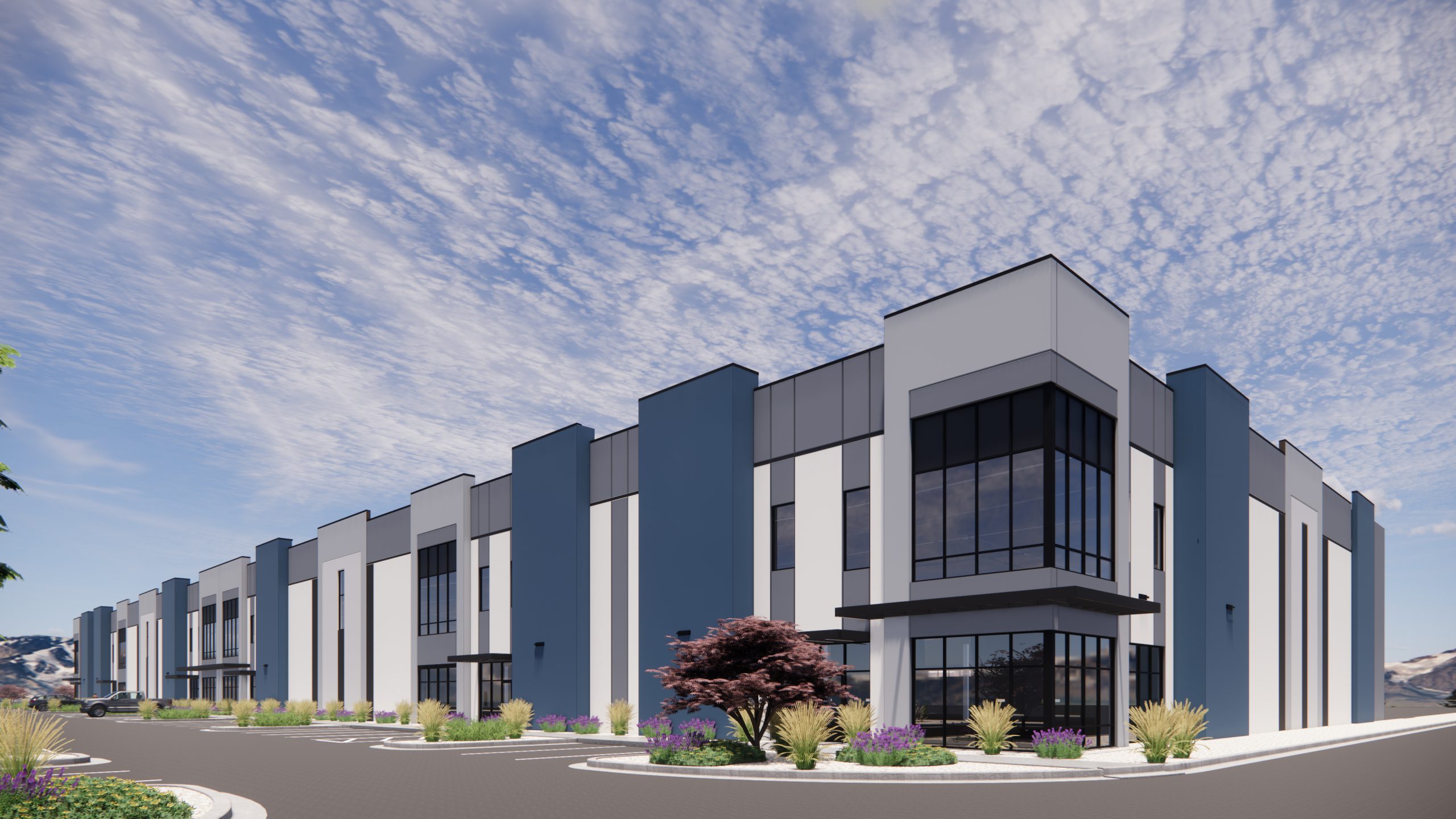
Convinced they’ve found an under-supplied submarket, developers announced last week they are breaking ground on a sizable warehouse space within Salt Lake City’s Inland Port.
The industrial market hasn’t exactly been hot lately. Newly released Q4 2025 numbers show that trends in Salt Lake County still haven’t reached a tipping point to encourage new construction.
While some indicators offer bright spots in CBRE’s 2025 Q4 report, most continue to reflect a supply-rich industrial market that has been dealing with flat rents add year-over-year rises in available space.
Let’s take a look at the current shape of things, as well as the new project announced last week. What are the market indicators that are telling some investors that now is the time to build more industrial space in Salt Lake City?
Industrial market – current status
Vacancy rates
Fortunately, things didn’t get worse at the end of 2025, as vacancy/occupancy rates remained largely unchanged in Q4, even declining in some submarkets.
But year-over-year, overall vacancy grew 1.6% to finish 2025 at 8.9%, according to CBRE’s numbers.
It would have been worse, the report notes, but strong leasing of existing inventory “helped offset speculative completions with limited preleasing, preventing vacancy from climbing further.”
Absorption
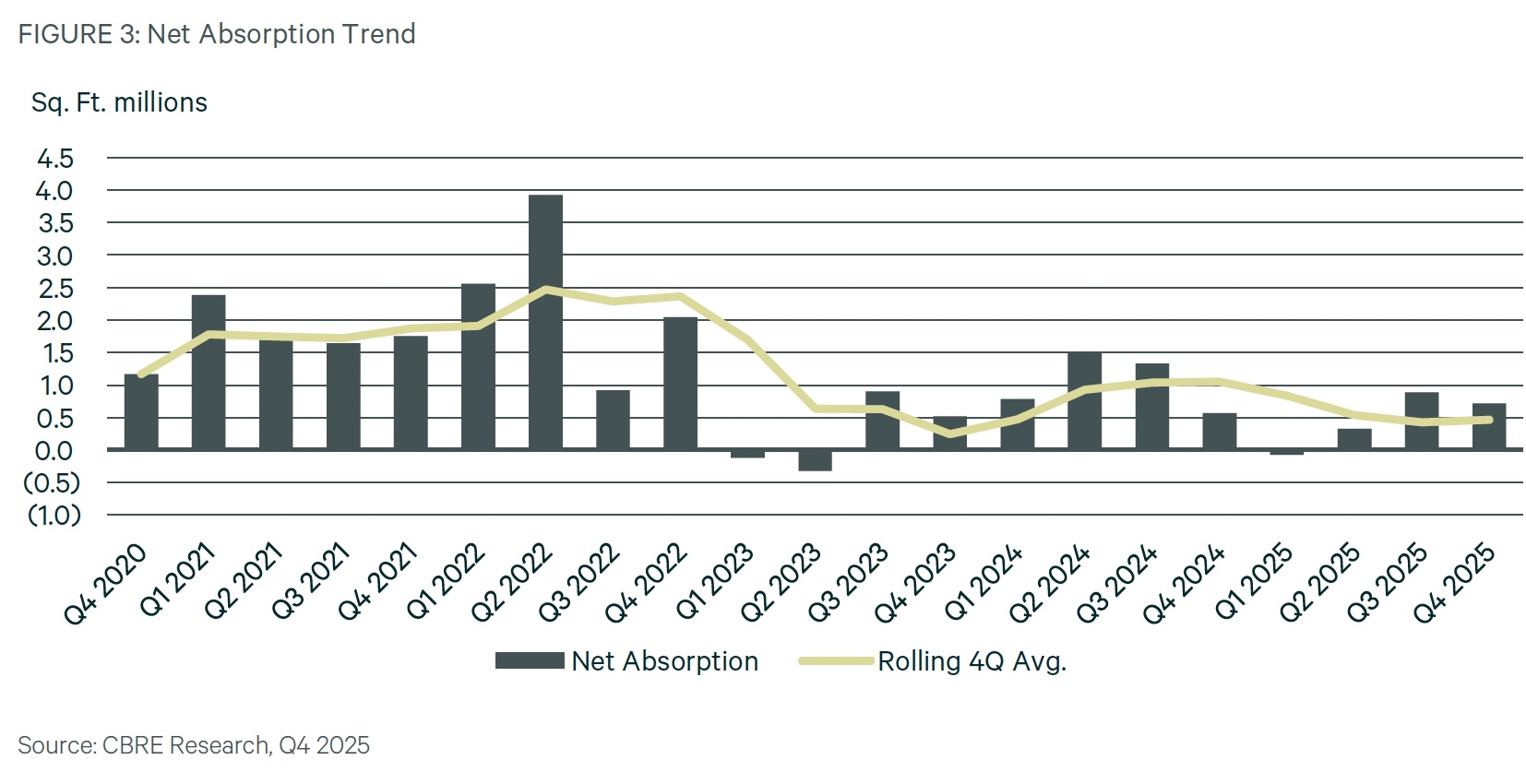
With nearly 2 million sf of positive net absorption over the year, tenant demand isn’t disappearing.
Q4 2025 absorption numbers show “a slight deceleration from record highs in 2022,” says the report. Looking ahead, that might be understated, as upward pressure on vacancy is expected to continue given significant near-term deliveries of new product.
Rents
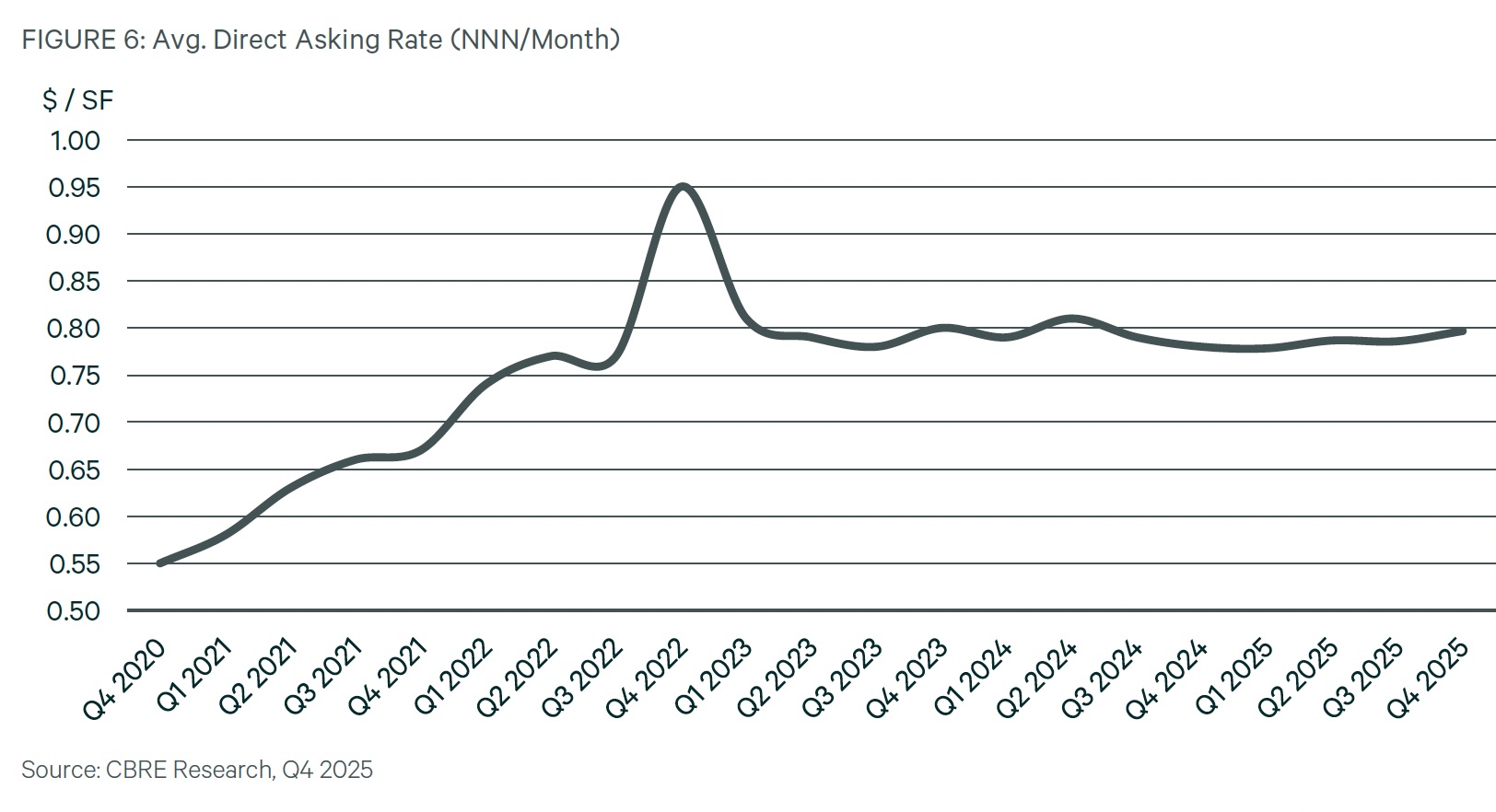
Investors are not looking at tight market. Average asking rents have stabilized at $.80/sf.
Construction deliveries and starts
Construction activity intensified in Q4. 17 projects were counted under construction in Salt Lake County, totaling 2.8 million sf of additional product on the way. That’s a 400,000 sf increase in inventory from this time in 2024.
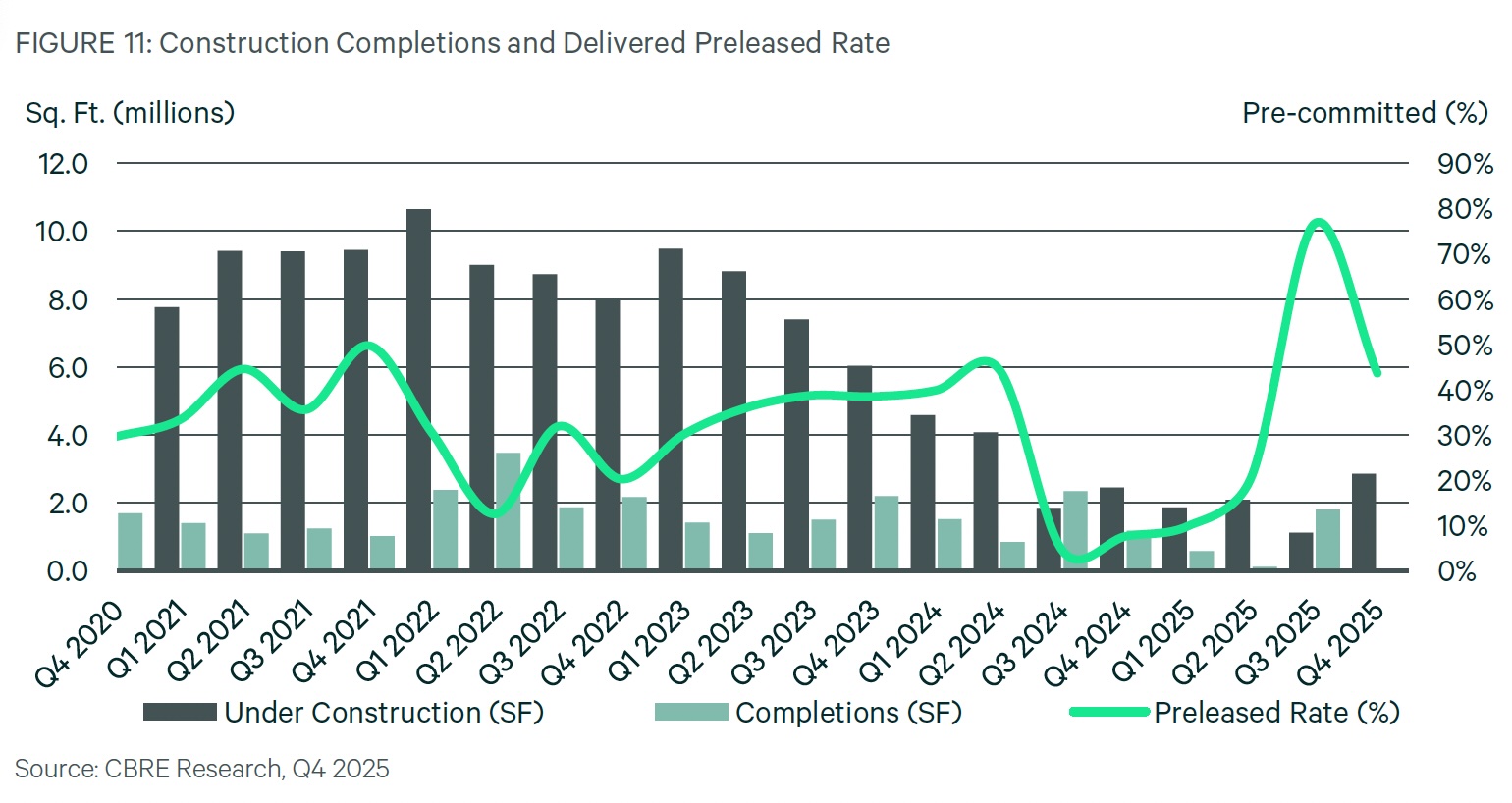
Those construction projects, when delivered, will add to the 2.5 million sf of new industrial space that entered the market last year. This investment occurred “even as absorption has moderated,” the CBRE report somewhat skeptically notes.
And another 2.4 million sf will reach the market in 2026, estimates CBRE.
“With annual absorption averaging approximately 1.3 million sq. ft., the upcoming pipeline will deliver more than three years of new industrial supply within roughly two years,” it figures.
“Looking ahead, the delivery of more than 3.0 million sq. ft. of new inventory through 2026 is expected to influence availability and lease-up timelines.” That sounds like a climb in vacancy rates is expected.
The advice for developers and investors? “Competitive positioning will remain key as developers navigate these shifts in the market.”
Submarkets and the important details
Location and product type matter, especially in soft markets.
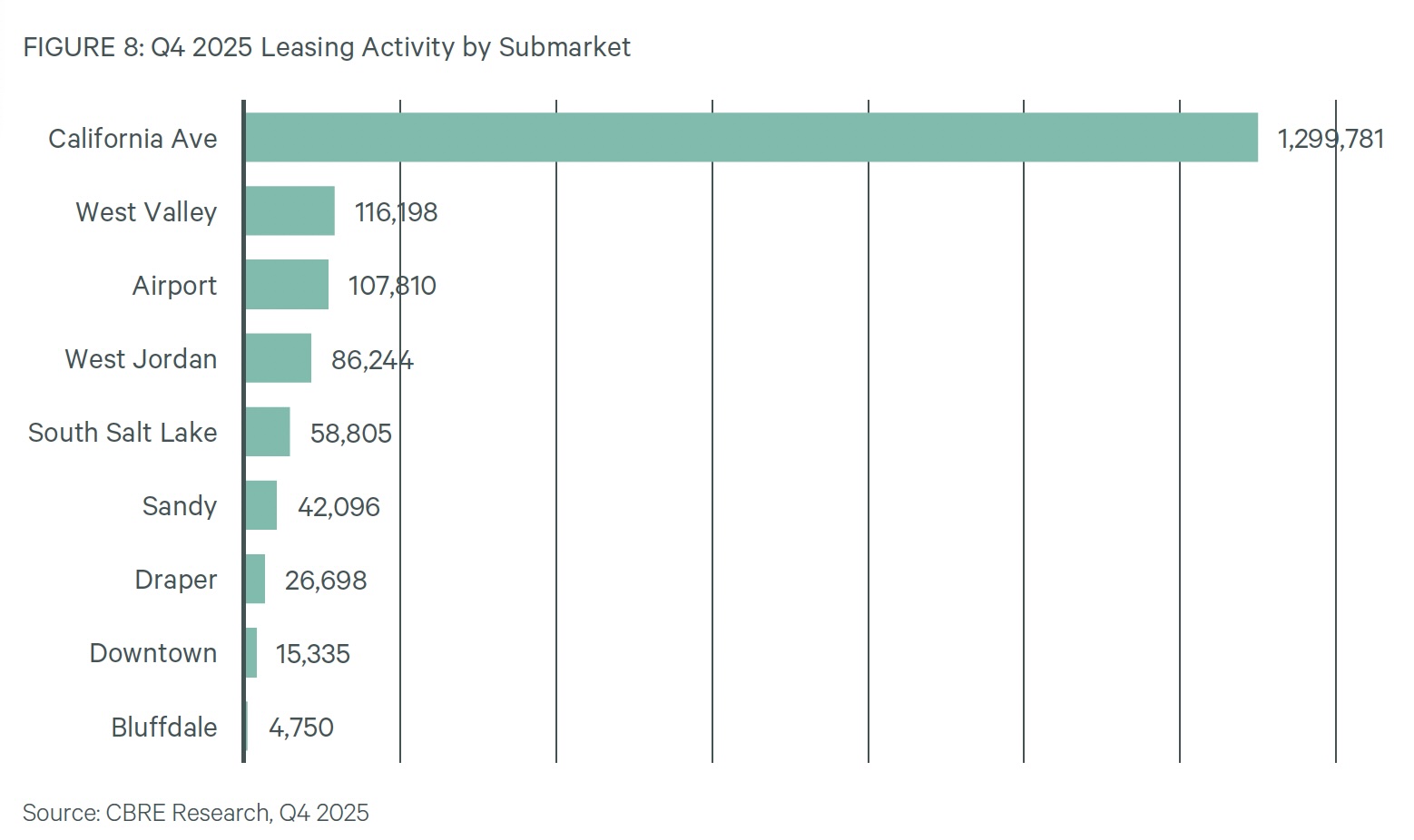
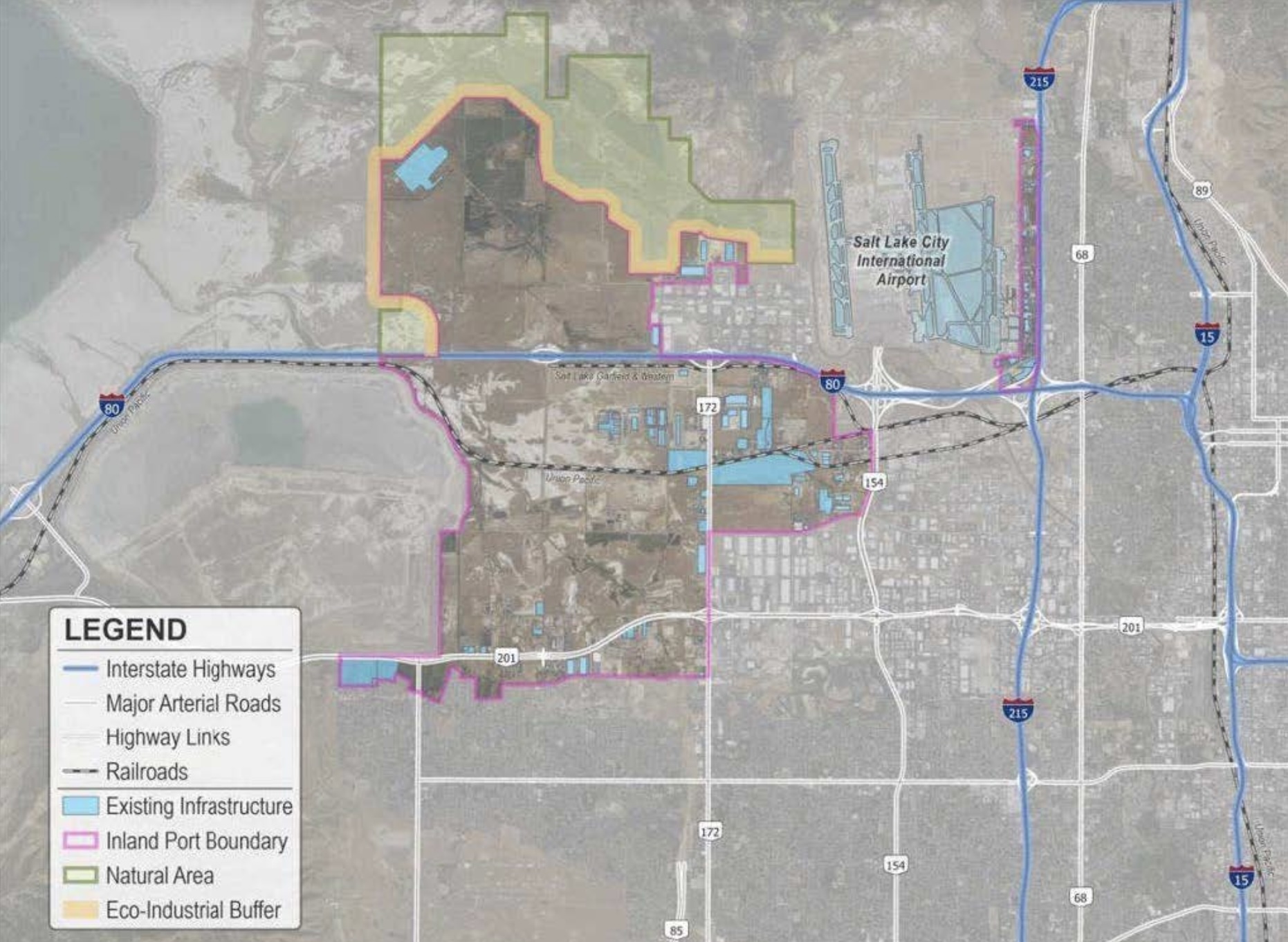
Location: The far west side of Salt Lake City is attracting industrial developers in overwhelming numbers. The CBRE report mentions its “highly attractive” location advantages that include “direct access to Salt Lake City International Airport, major interstates, and rail lines, along with its close connection to downtown.”
The state also offers significant development incentives from the Inland Port Authority in this area, including property tax increment reimbursement for qualifying projects.
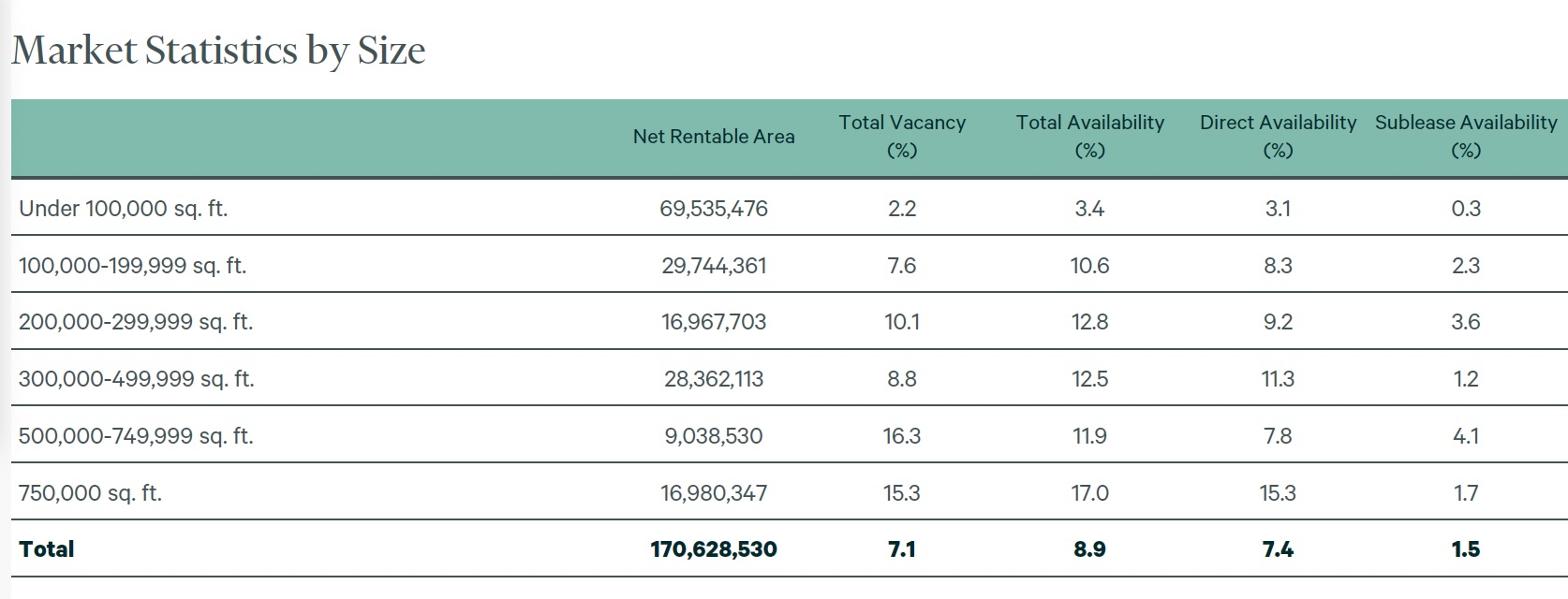
Product type: In addition, if one were to look closely at product types and vacancy rates, small spaces – under 100,000 sf – stand out. From a market perspective, they’re under supplied, with a total vacancy/availability rate of only 3.4%.
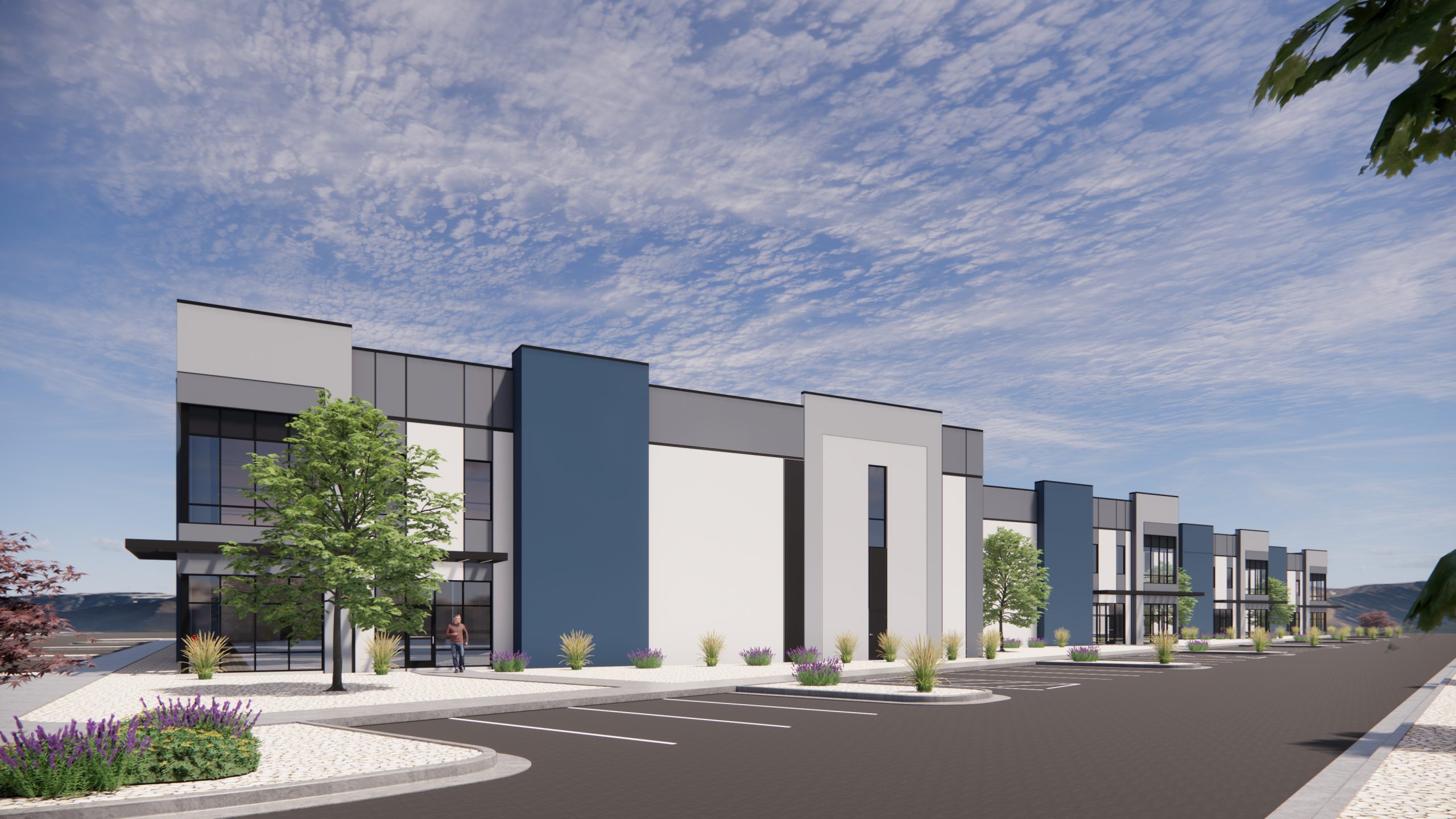
That is exactly where the latest project on California Avenue and 4400 West is positioning itself.
The latest project
At 1350 South 4400 West, Dakota Pacific Real Estate and PGIM (the asset arm of Prudential Financial) recently announced site control and an imminent construction start on a 450,000 sf spec industrial development.
The 13.8 acre parcel on California Avenue will host six buildings “designed as [a] modern small- and mid-bay industrial product,” according to the press release, and will include units with dedicated yard space.
Given the low vacancy rates in the <100,000 sf category compiled by CBRE noted above, that looks like a comparative advantage. Those were the numbers that Dakota Pacific’s Brian Dilley told us made the project pencil.
We asked Dilley, Managing Director at Dakota Pacific, if incentives from the Inland Port Authority figured into the project’s financing, and he answered, no, “we haven’t sought any TIF to help offset any of our project costs.”
In the properties where tenant size is between 10,000 and 20,000 sf, Dilley told us “the vacancy rate is significantly less than the overall market.” That tracks with CBRE’s numbers and motivated Dilley’s team to make a deal happen.
Aiming at renters who need space between 10,000 and 20,000 sf, leasing agents will be offering “tenant improvement allowances” for tenants to be able to build out space “on an as-needed basis,” Dilley said.
“In some of the suites, we will be speccing out some of the front end office,” Dilley added, adding to the tenant-friendly tenor of the development. .
Speaking to the strategic considerations at play, Dilley told us, “Given the softening that we’ve been seeing in the market, especially for the higher, the bigger spaces, 50,000 and above, that’s what really drove our focus in trying to find some of the small to mid bay product that we can lease specifically in this location in the Northwest Quadrant.”
Project Team
Owners/Developers: Dakota Pacific Real Estate and PGIM
Leasing: Newmark
Construction: Big D
Financing: JPMorgan Chase Bank










0 Comments